
Islands in the Rockies
Colorado a century ago was poorly connected by roads. Its electrical utilities still are poorly linked. Why they need energy markets.and how that may happen.

Colorado a century ago was poorly connected by roads. Its electrical utilities still are poorly linked. Why they need energy markets.and how that may happen.

Natural gas will remain for decades, but Colorado in 2021 began pushing firmly but gently to begin suppressing methane emissions, especially from buildings.
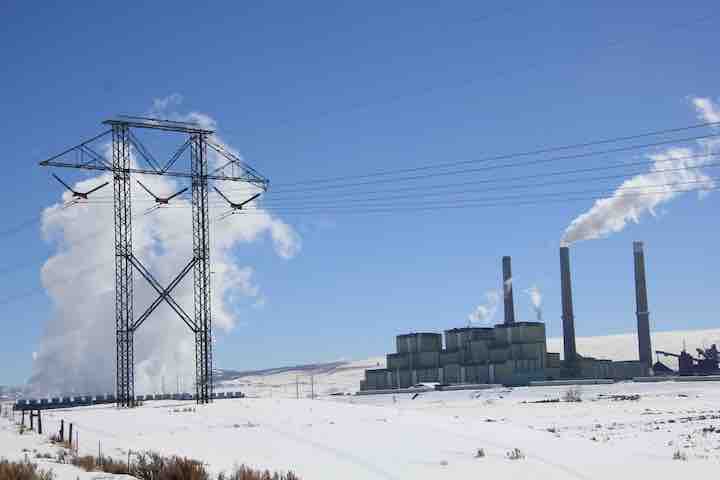
Some Colorado utilities want to get to 100% emissions-free electricity by 2030, others just 80% or above. What mix of new technologies will get them there?
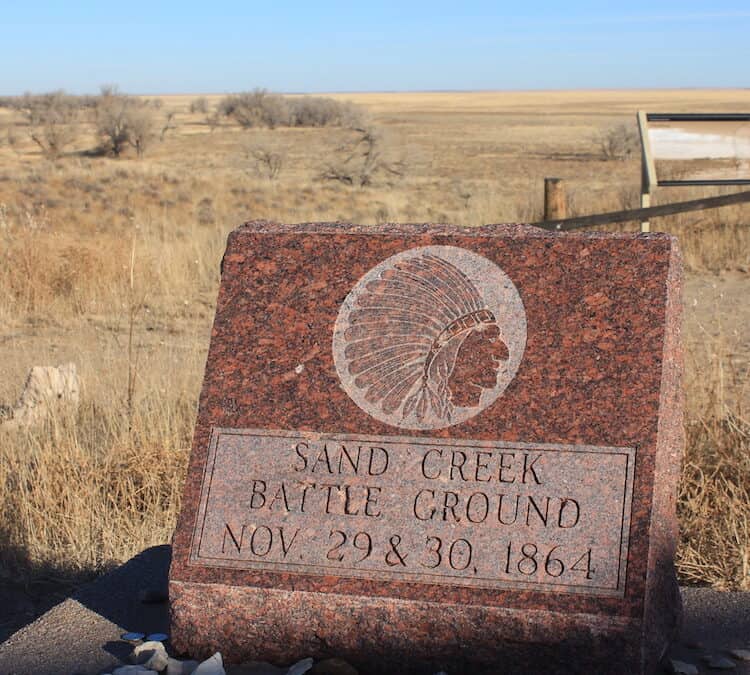
Looking out on Mt. Evans, Colorado Colorado Gov. Jared Polis rescinded two proclamations that helped create the atmosphere resulted in the massacre in 1864.

Executives of Evraz say the key to their decision to build a $500 steel mill in Pueblo was the long-term cost reliability offered by solar power.

Are the political institutional agreements and water infrastructure of the 20th century in the Colorado River Basin flexible enough for a hotter, dryer climate?

How much of this fire, costliest in Colorado history, a climate change story? The answer is complex. But surely it will strongly influence state policy.

United Power dwarfs many members of Tri-State G&T. It wants to jump ship. Poudre Valley and La Plata may also. Can Tri-State survive if this happens?

Contributions ranged from $2 upward, but all are acknowledged here. You helped make the second year of Big Pivots a big success.

Filings by Colorado’s two largest utilities reveal strong debate about how much longer natural gas will be vital to ensuring reliable electrical deliveries.
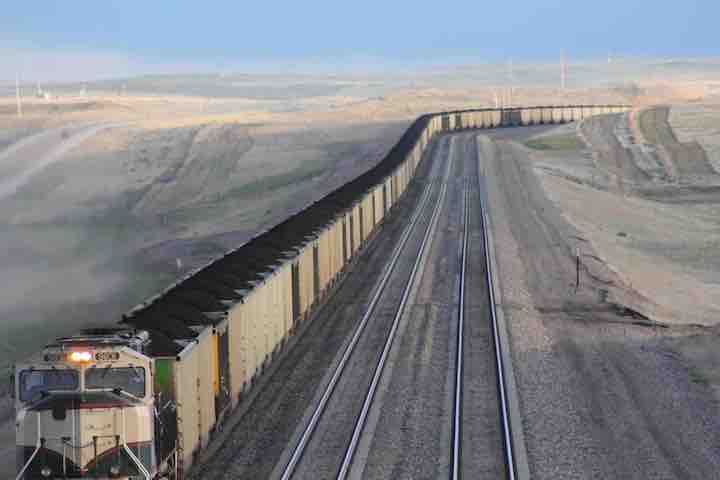
Coal rebounds briefly but long term trend clear, nuclear in Wyoming, Wyoming fails to land finalist but Colorado’s Innosphere does,; and yet more gleanings.

How Vail was ahead of its time with its first roundabout, why enviros cheer new transportation rules, and a new environmental justice advocate within C-DOT


Join our mailing list to receive the latest news and updates from our team.